
Nearly 60 percent of American tech startups report that inconsistent task tracking leads to missed deadlines and frustrated teams. For project managers juggling rapid pivots and tight timelines, keeping every detail visible and actionable is essential. This guide explains how organized task progress tracking systems transform abstract goals into clear, measurable steps, equipping managers with efficient methods to improve productivity and keep their team aligned from Los Angeles to Berlin.
Table of Contents
- Defining Task Progress Tracking Systems
- Key Types And Approaches To Tracking
- Core Features: Real-Time Monitoring And Reporting
- Benefits For Team Alignment And Productivity
- Risks Of Poor Tracking And Common Pitfalls
Key Takeaways
| Point | Details |
|---|---|
| Importance of Task Tracking Systems | Structured methodologies help monitor and analyze work activities, transforming goals into measurable components for improved team performance. |
| Real-Time Monitoring Benefits | Features like live dashboards and predictive analytics enable faster decision-making and proactive problem-solving for enhanced operational efficiency. |
| Risks of Poor Tracking | Ineffective tracking can cause miscommunication and reduced accountability, leading to duplicated efforts and decreased team motivation. |
| Adaptable Tracking Approaches | Select a flexible tracking system that allows for method integration and seamless evolution alongside changing project requirements. |
Defining Task Progress Tracking Systems
Task progress tracking systems represent structured methodologies designed to monitor, document, and analyze work activities across professional environments. These systems transform abstract project goals into measurable, trackable components that enable teams to understand their exact performance trajectory. Comprehensive task tracking frameworks allow organizations to break down complex objectives into granular, manageable steps.
At their core, progress tracking systems function as strategic documentation tools that capture critical workflow details. They range from simple spreadsheet-based approaches to sophisticated digital platforms with real-time analytics. The primary objective remains consistent: providing transparent visibility into task completion rates, team productivity, and project milestone achievements. Teams can quickly identify bottlenecks, redistribute workloads, and maintain accountability through these systematic approaches.
Modern tracking systems integrate multiple components to deliver comprehensive insights. These typically include features like deadline tracking, responsibility assignment, status visualization, and performance metrics. Some advanced platforms even incorporate predictive analytics that help teams anticipate potential delays or resource constraints before they become critical issues. Innovative tracking frameworks now leverage artificial intelligence and machine learning to provide increasingly sophisticated project management capabilities.
Pro Tip: Start Simple: Begin your task tracking journey with a straightforward system that tracks three key elements – task owner, current status, and expected completion date. Gradually add complexity as your team becomes more comfortable with the tracking process.
Key System Components:
- Task description
- Assigned team member
- Current status
- Priority level
- Expected completion date
- Actual completion timestamp
Key Types and Approaches to Tracking
Task tracking approaches represent diverse strategies for monitoring project progression, each offering unique advantages for different organizational needs. Comprehensive tracking methodologies range from milestone-based systems to goal-focused frameworks, enabling teams to capture performance metrics with precision and flexibility. The selection of a tracking approach depends on project complexity, team dynamics, and specific organizational objectives.
Digital tracking systems dominate modern project management landscapes, presenting multiple implementation strategies. Tracking system architectures typically fall into four primary categories: digital project management software, physical task boards, spreadsheet-based solutions, and hybrid models. Each approach provides distinct benefits, from real-time collaboration capabilities to visual workflow representation. Startups often prefer flexible digital platforms that allow rapid adaptation and comprehensive performance visualization.
Here’s a comparison of popular task tracking system types and their business impacts:
| System Type | Key Strength | Ideal Use Case |
|---|---|---|
| Digital PM Software | Real-time analytics | Large or remote teams |
| Physical Task Boards | Visual workflow clarity | Small on-site teams |
| Spreadsheet-based Solutions | Cost-effective flexibility | Freelancers, simple projects |
| Hybrid Models | Method integration | Growing, evolving startups |
The most effective tracking approaches integrate multiple methods to provide holistic project insights. This might include combining time-based tracking with milestone monitoring, enabling teams to understand both granular progress and overarching project trajectory. Advanced systems now incorporate predictive analytics, allowing organizations to forecast potential bottlenecks and proactively manage resource allocation. Machine learning algorithms further enhance these capabilities by identifying patterns and suggesting optimization strategies.

Pro Tip: Flexible Tracking: Choose a tracking system that allows seamless method switching and supports multiple visualization formats. Ensure your chosen approach can evolve alongside your project’s changing requirements.
Tracking Method Spectrum:
- Milestone-based tracking
- Time-based monitoring
- Goal-focused frameworks
- Real-time collaborative systems
- Predictive performance tracking
- Hybrid approach integration
Core Features: Real-Time Monitoring and Reporting
Real-time monitoring represents a transformative approach to project management, enabling teams to track task progression with unprecedented accuracy and immediacy. Advanced progress tracking technologies now deliver instantaneous insights into team performance, breaking down traditional communication barriers and creating transparent, responsive workflows. This approach eliminates delayed reporting cycles, allowing organizations to make data-driven decisions at the moment they become relevant.
The core components of real-time monitoring typically include comprehensive dashboards, instant notification systems, and dynamic progress visualization tools. These features work in concert to provide a holistic view of project status, tracking individual task completion, team productivity, and potential bottlenecks in nanoseconds. Modern tracking systems integrate multiple data points, including time spent, task complexity, individual contributor performance, and resource allocation, creating a nuanced understanding of project dynamics that goes far beyond traditional tracking methods.
Technology has dramatically expanded the capabilities of real-time monitoring, introducing predictive analytics and machine learning algorithms that can anticipate project challenges before they emerge. These sophisticated systems analyze historical performance data, current workflow patterns, and external variables to generate actionable insights. Startup teams can now access granular performance metrics, identify potential delays, redistribute workloads dynamically, and maintain unprecedented levels of operational transparency and efficiency.
This summary outlines how real-time monitoring features drive team performance:
| Real-Time Feature | Operational Benefit | Team Impact |
|---|---|---|
| Instant status updates | Faster decision-making | Enhanced responsiveness |
| Live dashboards | Continuous project visibility | Improved transparency |
| Automated tracking | Reduced manual workload | Higher productivity |
| Predictive analytics | Early risk detection | Proactive problem solving |
Pro Tip: Notification Strategy: Configure your tracking system to send targeted, role-specific notifications that provide meaningful updates without creating information overload. Focus on alerts that require immediate action or represent significant workflow changes.
Key Real-Time Monitoring Features:
- Instant task status updates
- Live performance dashboards
- Automated progress tracking
- Predictive bottleneck identification
- Customizable alert systems
- Cross-team collaboration visualization
Benefits for Team Alignment and Productivity
Team alignment represents a critical competitive advantage for startup environments, where communication and collaborative efficiency can determine organizational success. Strategic progress tracking methodologies enable teams to crystallize shared objectives, clarify individual responsibilities, and create transparent performance expectations. By establishing clear performance metrics and visualization mechanisms, organizations can transform abstract goals into measurable, actionable workflows that drive collective momentum.
The fundamental power of effective tracking systems lies in their ability to foster enhanced communication and mutual accountability. Collaborative tracking approaches help teams visualize task dependencies, prevent potential misunderstandings, and maintain consistent motivation across different work environments. These systems provide real-time insights into project progression, allowing team members to understand how their individual contributions interconnect and support broader organizational objectives. This transparency reduces friction, minimizes duplicate efforts, and creates a more cohesive work culture where everyone understands their role in achieving collective goals.
Productivity gains emerge naturally from well-implemented tracking systems that provide clear performance visibility. By offering granular insights into individual and team performance, these tools enable rapid identification of potential bottlenecks, more efficient resource allocation, and data-driven decision making. Startup teams can quickly adapt to changing priorities, redistribute workloads strategically, and maintain high levels of operational agility. The psychological benefits are equally significant, as team members feel more connected, understood, and motivated when their progress is recognized and their contributions are systematically documented.
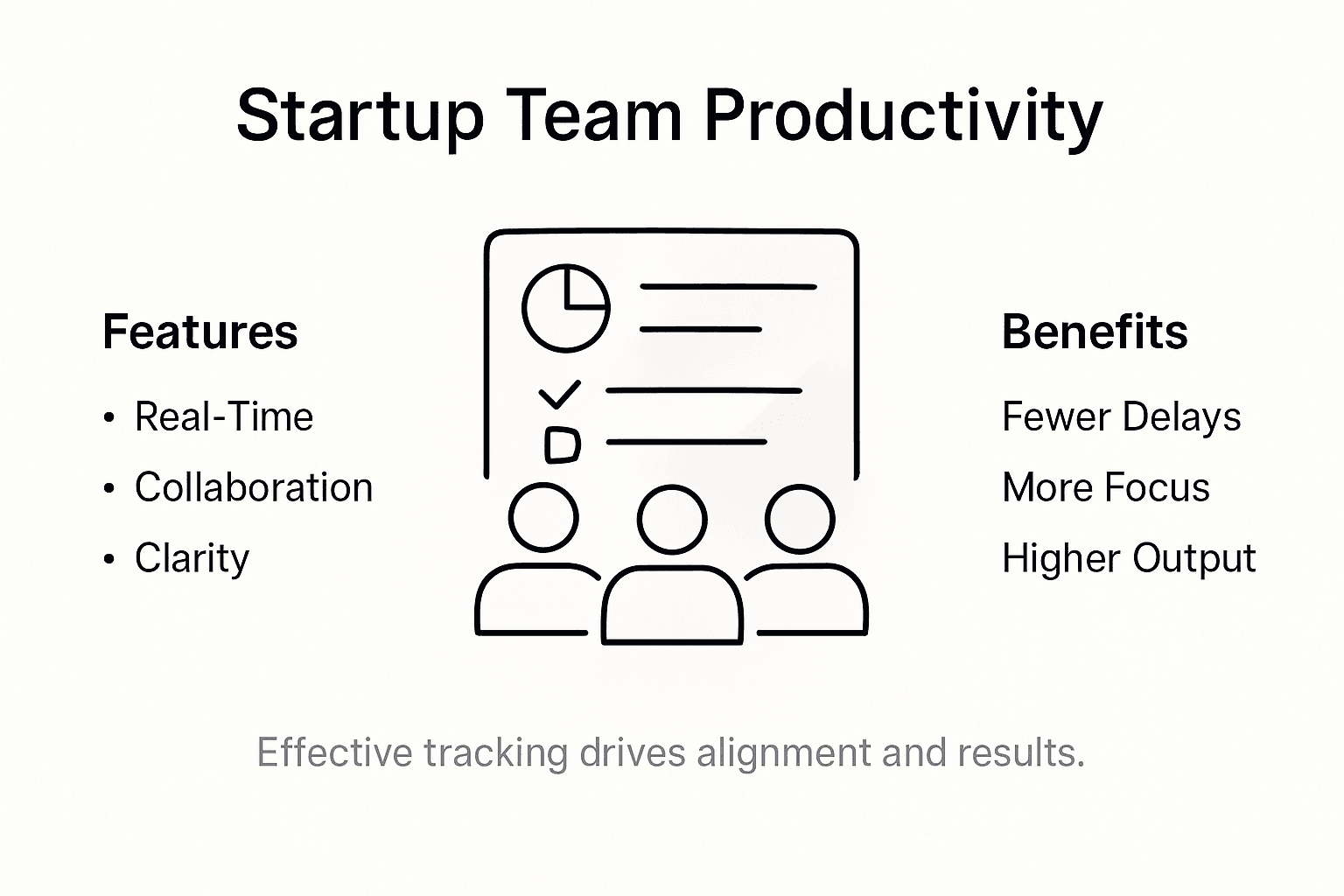
Pro Tip: Alignment Strategy: Schedule brief weekly alignment meetings where team members share progress using your tracking system, focusing on collaborative problem solving and mutual support rather than punitive performance reviews.
Key Alignment Benefits:
- Enhanced team communication
- Clear performance expectations
- Reduced organizational friction
- Improved resource allocation
- Increased individual accountability
- Transparent goal visualization
Risks of Poor Tracking and Common Pitfalls
Project tracking failures can undermine startup team performance with devastating consequences, transforming potentially successful initiatives into organizational nightmares. Systematic project tracking challenges emerge from fundamental communication breakdowns, blurred responsibilities, and inconsistent documentation practices. These risks compound quickly, creating cascading problems that can derail entire organizational efforts and destroy team morale.
The most significant risks associated with poor tracking include chronic miscommunication, resource misallocation, and widespread confusion about project priorities. When teams lack clear tracking mechanisms, individual team members operate in isolation, leading to duplicated efforts, conflicting workflows, and substantial time waste. Critical project milestones become moving targets, accountability dissolves, and team members struggle to understand their precise roles and contributions. This environment breeds frustration, reduces overall productivity, and creates an atmosphere of uncertainty that can rapidly erode team cohesion.
Technology and human factors intersect dramatically in tracking system failures. Inadequate tracking tools often result from either over-complicated systems that overwhelm team members or overly simplistic approaches that fail to capture nuanced project dynamics. Some organizations implement tracking mechanisms that feel punitive rather than supportive, causing team members to view progress monitoring as a threat instead of a collaborative tool. The psychological impact can be profound, potentially creating defensive behaviors that further obstruct transparent, productive communication and genuine performance improvement.
Pro Tip: Tracking Calibration: Regularly review and adjust your tracking approach, soliciting direct feedback from team members about what works and what feels burdensome in your current system.
Primary Tracking Failure Risks:
- Miscommunication
- Duplicated work efforts
- Blurred team responsibilities
- Reduced accountability
- Decreased team motivation
- Inefficient resource allocation
Streamline Your Startup’s Task Progress Tracking Today
The challenges of unclear task ownership, real-time monitoring, and preventing miscommunication are significant hurdles for any startup team looking to improve their productivity and alignment. If you are dealing with risks like duplicated work or blurred responsibilities discussed in “Why Track Task Progress: Boosting Startup Teams,” then it is time to embrace a smarter system that brings clarity and actionable insights into every project phase. Using terms like real-time monitoring, predictive analytics, and collaborative workflows from the article, you can create a transparent task management environment that drives accountability and boosts team engagement.
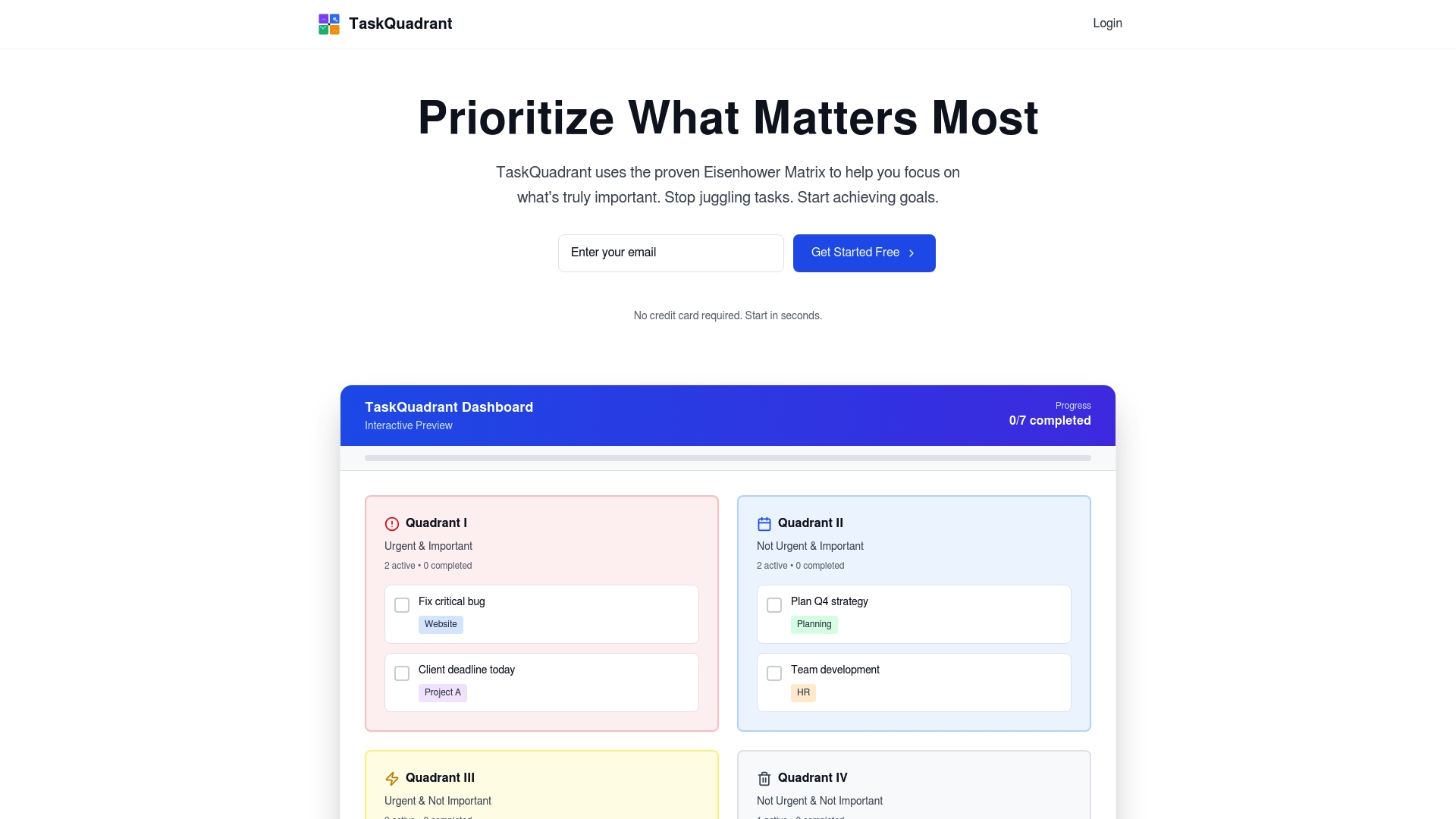
Discover how TaskQuadrant.io, a powerful SaaS platform, can transform your startup’s workflow by organizing tasks visually with the Eisenhower Matrix, tracking progress via intuitive dashboards, and automating repetitive activities. Whether you want to reduce decision fatigue, clarify performance expectations, or align your team around shared goals, our simple and fast onboarding system is built for startups ready to scale. Take control of your project timelines, avoid costly pitfalls, and keep your team motivated by exploring more about progress tracking through visual dashboards and goal-oriented project organization with TaskQuadrant.io.
Start today and experience a new level of productivity that keeps your startup moving forward with confidence.
Frequently Asked Questions
What are task progress tracking systems?
Task progress tracking systems are structured methodologies designed to monitor, document, and analyze work activities, transforming project goals into measurable components for effective team performance evaluation.
How can real-time monitoring benefit my startup team?
Real-time monitoring provides instantaneous insights into task progression, enhancing decision-making, transparency, and responsiveness within teams, ultimately leading to improved operational efficiency and productivity.
What are the key features of an effective tracking system?
An effective tracking system typically includes task descriptions, assigned team members, current statuses, priority levels, expected completion dates, and real-time progress visualizations to facilitate team collaboration and accountability.
What risks can arise from poor task tracking?
Poor task tracking can lead to chronic miscommunication, resource misallocation, decreased team motivation, and overall project chaos, undermining the potential success of initiatives and harming team morale.
Leave a Reply